

Designing Resilient Tech-Driven Business Models for Long-Term Sustainability
Sustainable tech business models require resilience, adaptability, and strategic innovation for enduring success.

Understanding Resilience in Tech-Driven Business Models
Resilience is the capacity of a business model to adapt to disruptions, economic shifts, and evolving customer demands without losing core value. For technology-powered ventures, embedding resilience means designing adaptable frameworks that can pivot, scale, and innovate in the face of uncertainty.
Evergreen Challenge: Sustaining Tech Business Growth Amidst Change
Technology markets transform rapidly, yet startups and enterprises must create models that endure beyond initial hype cycles. Businesses often face challenges from technological obsolescence, regulatory shifts, and fluctuating user needs. The key opportunity is to architect business models that not only survive but thrive long-term by integrating flexibility and sustainable value creation.
Solution 1: The Modular Business Model Framework (MBMF)
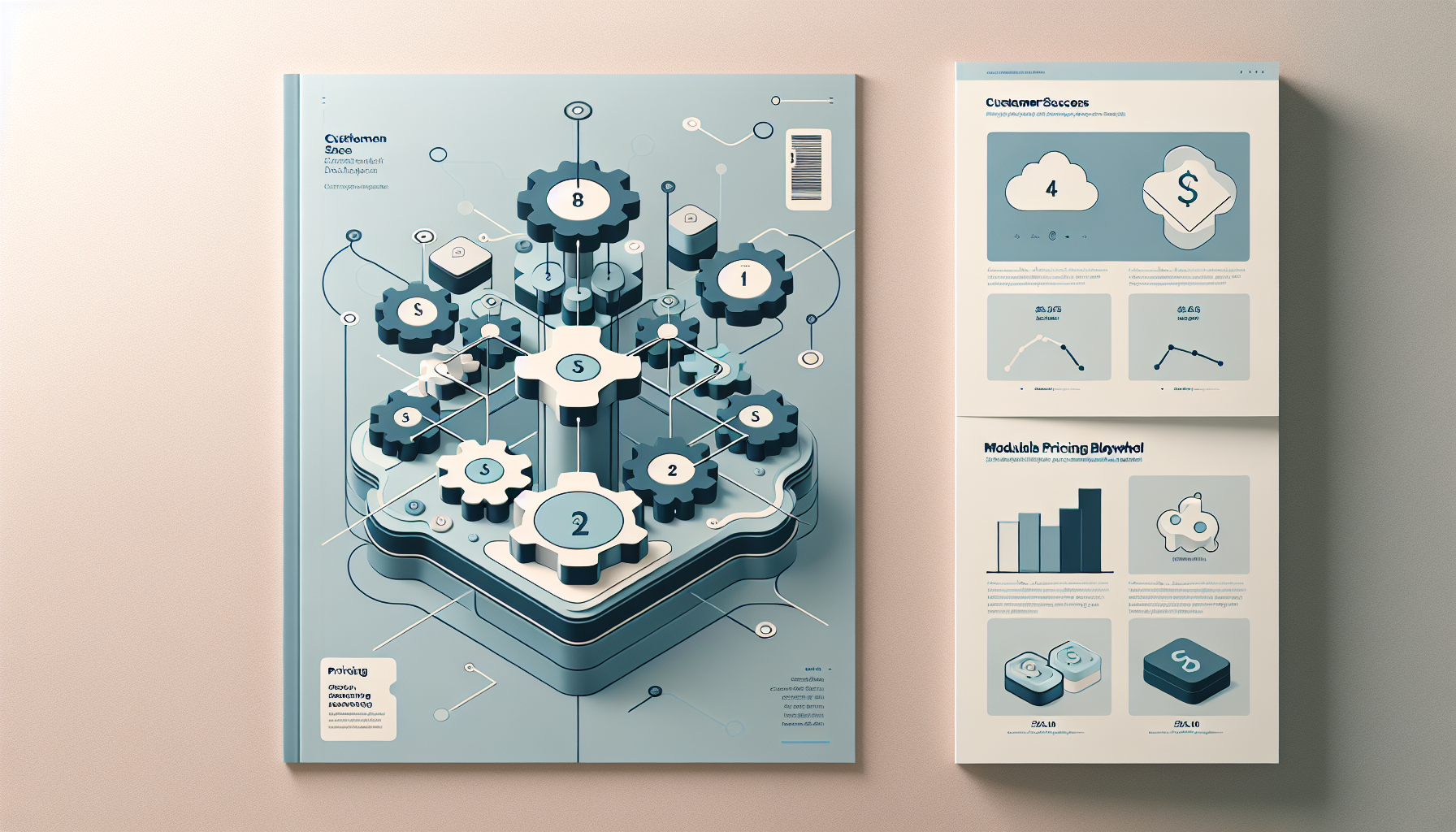
The MBMF adopts modular principles from software and product design to business architecture. It segments the business into interchangeable, independently optimisable modules (e.g., customer acquisition, revenue streams, product delivery, support systems). These modules can evolve independently with minimal disruption to the whole.
Step-by-Step Implementation
- Map Core Functions: Diagram all business functions as discrete modules with clear interfaces.
- Define Standardised Interfaces: Establish consistent protocols for information and value exchange between modules.
- Implement Agile Experimentation: Test and optimize individual modules in isolation using real-time data.
- Enable Scalable Integration: Ensure modules can scale or be replaced without impacting overall stability.
- Continuous Monitoring: Use key performance indicators (KPIs) for each module to assess resilience and prompt iteration.
<!-- Example JSON schema for modular revenue streams -->
{
  "module": "revenue_stream",
  "type": "subscription",
  "pricing": {
    "tiers": ["basic", "premium", "enterprise"],
    "billing_cycle": "monthly"
  },
  "integration_points": ["billing_system", "crm"]
}
Solution 2: The Adaptive Value Proposition Lifecycle (AVPL)
AVPL emphasises evolving customer value over time by iteratively aligning propositions with shifting market needs and regulations, underpinning sustainable competitive advantage.
Step-by-Step Implementation
- Customer Segmentation Analysis: Regularly update detailed customer profiles to capture changing preferences and pain points.
- Value Hypothesis Testing: Employ continuous A/B testing and feedback loops to validate value propositions.
- Regulatory Compliance Integration: Embed legal and ethical compliance checks at every iteration to future-proof offerings.
- Cross-functional Collaboration: Ensure marketing, product development, and compliance teams co-evolve the value propositions.
- Long-term Feedback Integration: Use predictive analytics and scenario planning to anticipate future customer needs.
Pro Tip: Maintain a dynamic value canvas document shared across teams to crystallise the evolving value proposition and rationales.
Did You Know? Modularity in business architecture can increase adaptability by up to 40%, reducing failure rates during pivots as shown in long-term SME studies.
Q&A: Q: How do you balance modular autonomy with overall coherence? A: Define strict interfaces and governance policies to prevent modules from diverging into conflicting directions.
Internal Link
Integrate modular thinking seamlessly with frameworks such as Building Modular Quantum Computing Frameworks for Scalable Innovation, where modularity supports scalability and innovation without complexity overload.
Evening Actionables
- Audit your current business model and identify modular components.
- Create a living document defining interfaces and protocols between business modules.
- Develop an iterative customer feedback process integrating regulatory checks.
- Implement a pilot autonomous module with clear KPIs to test modular framework viability.
- Set quarterly review meetings to align cross-functional teams around the Adaptive Value Proposition Lifecycle.


Comments ()